Quick Definition
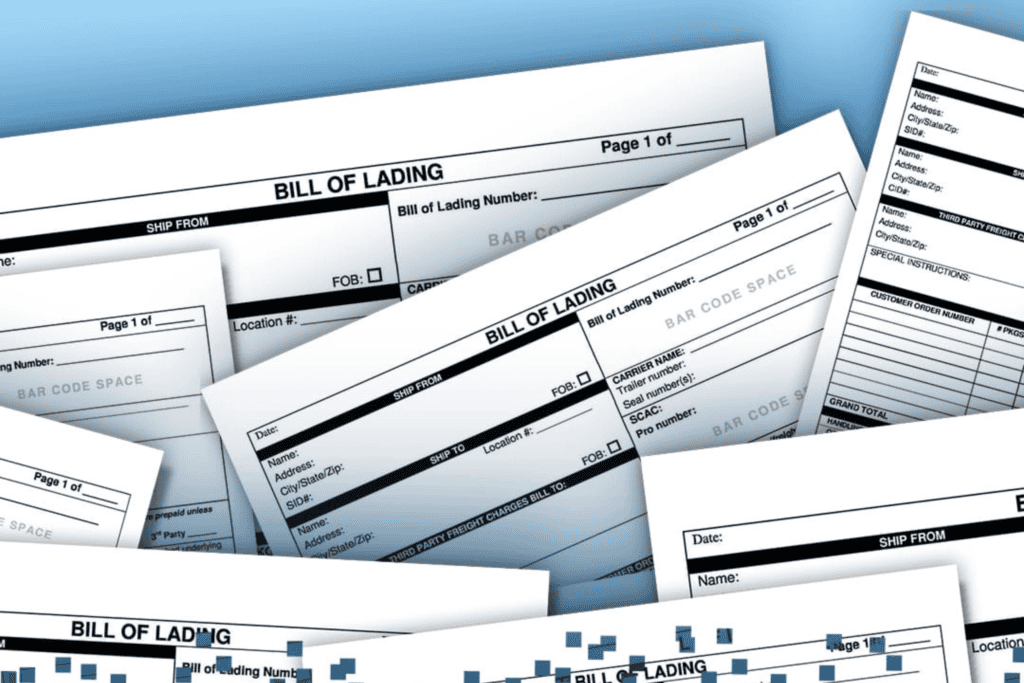
Fraud on the Bill of Lading (BOL) occurs when shipment documents are altered, forged, or misused to enable cargo theft, misrouting, or billing fraud.
Why the BOL Is a High-Value Target
The BOL is one of the most trusted documents in transportation—and in many cases, still paper-based.
Because it authorizes custody, routing, and delivery, criminals target it to:
- Redirect freight;
- Impersonate carriers;
- Justify fraudulent billing; and
- Conceal unauthorized pickups.
Real-World Scenario
A driver presents a BOL that matches the load number but lists a different delivery address. The discrepancy isn’t noticed until the shipment fails to arrive at its intended destination.
Common BOL Fraud Techniques
- Altering carrier or consignee names;
- Changing delivery locations mid-transit;
- Reusing legitimate BOLs for unauthorized shipments; and
- Forging signatures or reference numbers.
Key Warning Signs
- Handwritten or last-minute changes;
- Mismatches between digital records and paper documents;
- Inconsistent formatting or signatures; and
- BOLs presented without supporting verification.
Why BOL Fraud Is Increasing
As digital systems improve, criminals target hybrid gaps—where paper and digital workflows intersect.
How NMFTA Helps
By promoting verified carrier identity and shared standards, NMFTA helps facilities confirm who they are releasing freight to—before the doors open.