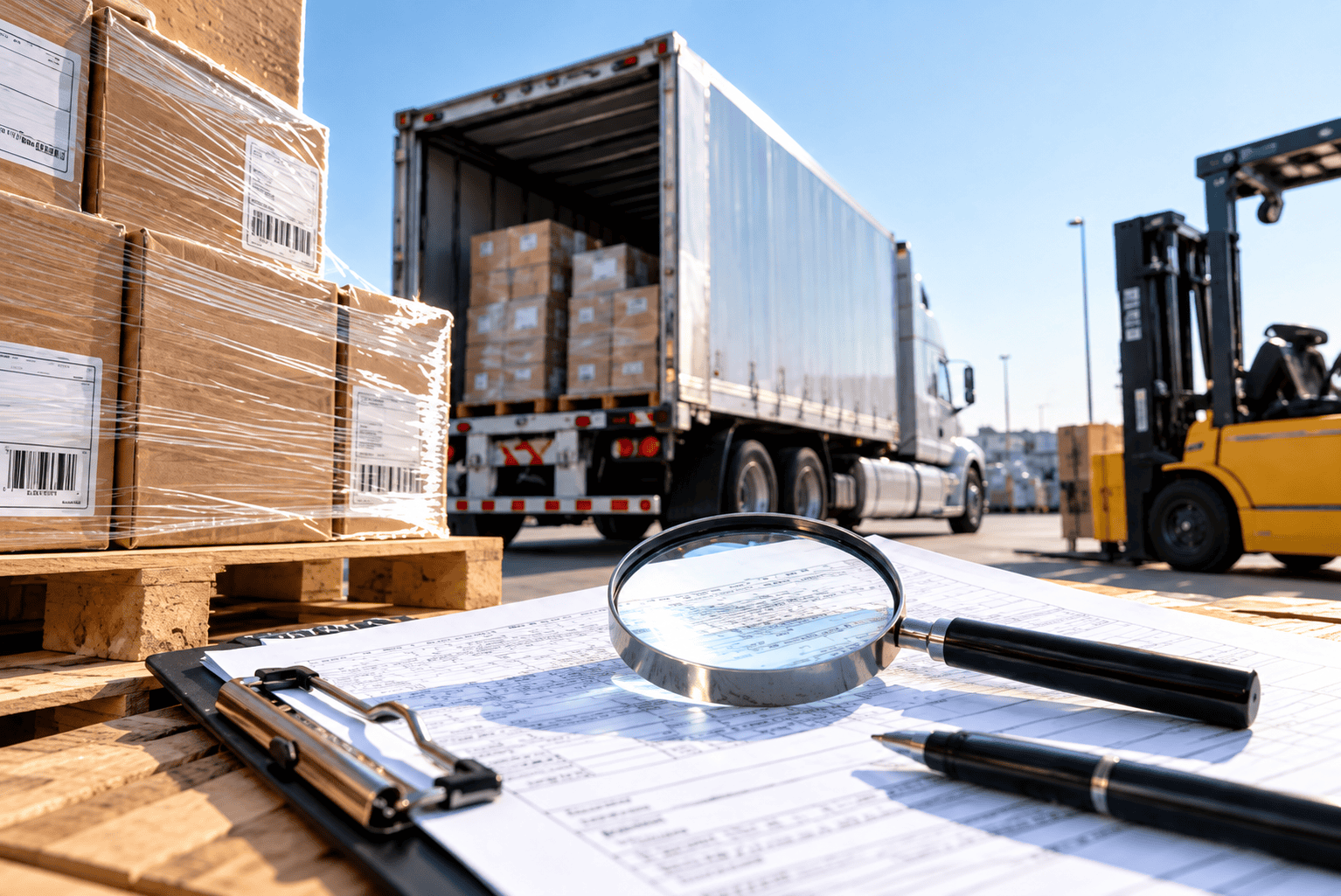
Reading the BOL: Description Fraud and Freight Class Mismatches
Every less-than-truckload (LTL) shipment starts with a few lines on a Bill of Lading (BOL). The commodity description, the dimensions, the weight, and the freight class tell a carrier what is being shipped, how to handle it, and how much attention it needs on the road. When those lines match the freight, everyone in the chain can do their job. When they do not, the cause could be a simple error or a deliberate attempt to hide what is on the truck. This post covers how to spot description fraud before freight moves, and how to think through a class mismatch when it turns up.
Description Fraud: What to Look for Before Freight Moves
Description fraud happens when the words on the paperwork misrepresent the freight itself. A vague or inaccurate description can make a shipment look less valuable or mask risk which makes it less attractive to thieves and easier to move past internal controls. It also makes recovery harder if the freight goes missing, because the record of what was on the truck is wrong. These actions can not only increase disputes but also increase theft risk.
National Motor Freight Classification® (NMFC)® commodity descriptions, when used correctly on the BOL, reduce the ability to disguise freight. A generalized vocabulary makes it easier to see. Some examples of descriptions that deserve a closer look:
- High-value electronics described as “plastic articles”;
- Branded goods listed as “parts”; and
- Finished products described as “raw materials”.
Each of these shrinks the apparent value of the commodity or hides its true nature. A catch-all term on a shipment that should have a specific NMFC item number is worth questioning.
A few practical checks can happen before pickup. Compare the description with what you know about the shipper and their usual freight. Look at the weight and dimensions to see whether they fit the commodity as described. Confirm the NMFC item number and class with a tool such as National Motor Freight Traffic Association, Inc.® (NMFTA)®‘s ClassIT+®. None of these steps take long, and together they build a process that helps resolve issues before they begin.
When the Freight Class Doesn’t Match the Shipment: Mistake or Fraud?
Freight classes run from 50 to 500 and reflect four characteristics: density, handling, stowability, and liability. Denser freight generally gets a lower class. Bulky but lighter freight generally gets a higher class.
Carriers catch incorrect classes through inspection and weight checks. The result is a reclassification, usually with an inspection fee, and the adjusted charge can sometimes exceed the original shipping rate. Repeated problems can cost a shipper frequent higher charges and a bad carrier relationship.
The harder question is intent. Most mismatches come from ordinary causes. Classification is a detailed process, and new products, recent NMFC revisions, estimated weights, and unusual freight all create room for honest errors. A single mismatch that lands in a neighboring class, from a shipper who corrects it quickly, looks like a mistake. Fraudsters can exploit ambiguity and loopholes wherever they exist.
Other Signals Call for More Scrutiny:
The same shipper shows mismatches across many shipments, and the error always falls in the direction of a lower class.
- Descriptions stay vague even after corrections are requested.
- Declared weights or dimensions repeatedly come in well below what inspection finds.
- The shipper resists inspection, documentation, or photos.
No single signal proves fraud, and carriers should avoid drawing conclusions from one event. Pattern is the most useful evidence. A mistake tends to be scattered and responsive to correction. Deliberate misrepresentation tends to repeat and to benefit the party making the declaration.
When a commodity is in dispute, NMFTA’s classification interpretation service offers a neutral reference point. Carriers, shippers, and third-party logistics providers (3PLs) can submit an interpretation request with supporting information, including a product description, website links, brochures, packaging details, function, and photos, and an opinion will be given based on that information given. The guidance is advisory and not legally binding, though it gives both sides a well-grounded opinion and can help resolve disputes before they turn into penalties.
Bringing It Together
Description fraud and class mismatches sit on the same spectrum. Both involve paperwork that fails to describe the freight, and both are easiest to handle early. Accurate NMFC descriptions at the point of tender give carriers the information they need. Verification steps before pickup catch many problems while they are still cheap and easy to fix. When a mismatch does appear, a review of the shipper’s history and a look at the pattern help separate an honest error from a deliberate act.
Shippers who properly complete the BOL with accurate descriptions and classes protect their own relationships and have fewer surprises. Carriers who build simple checks into their intake process protect their freight and their records. In both cases, the bill of lading is the first line of defense, and it works best when the words on it match what is on the dock.
Need assistance understanding your freight? NMFTA has an Interpretations team that will provide an opinion as to the applicable NMFC item number and description of the commodity in question.