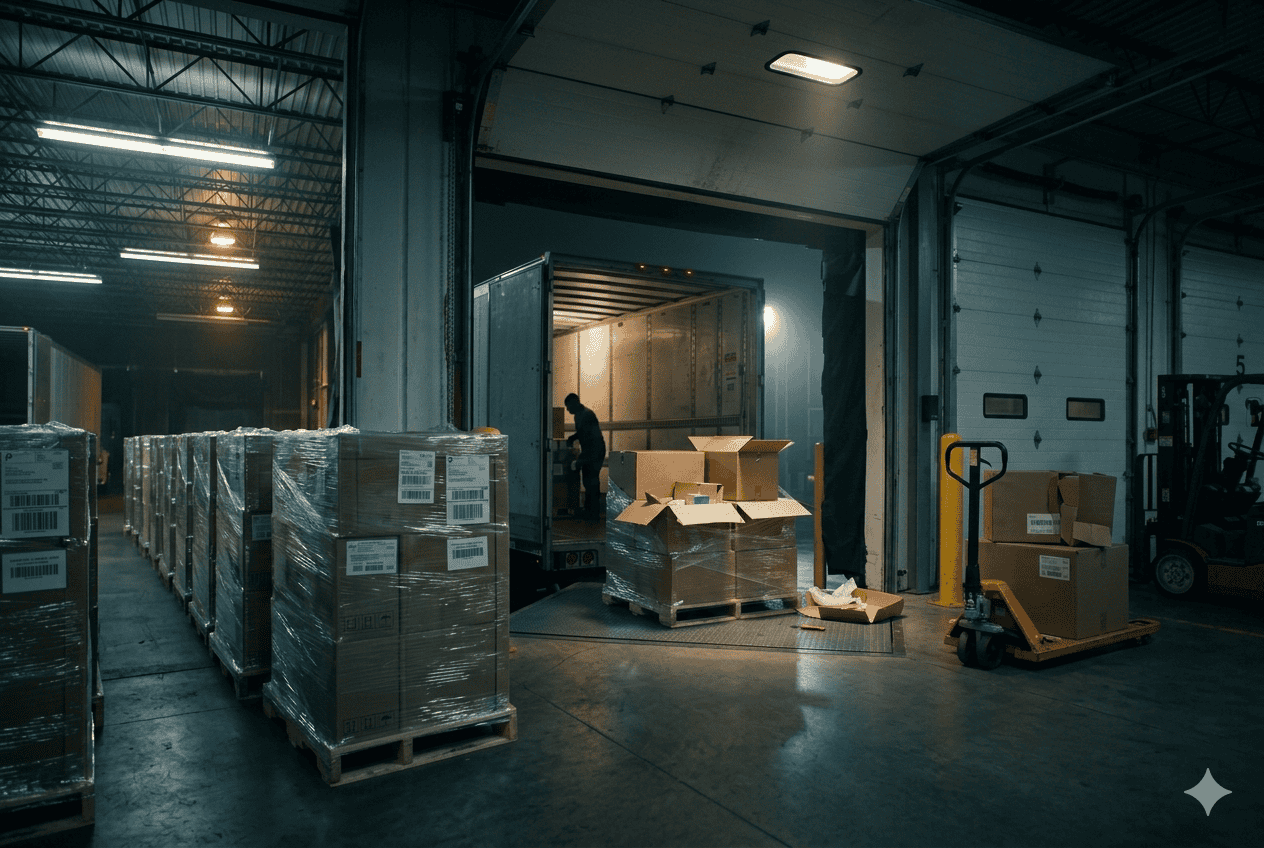
1–2 minutes

Quick Definition

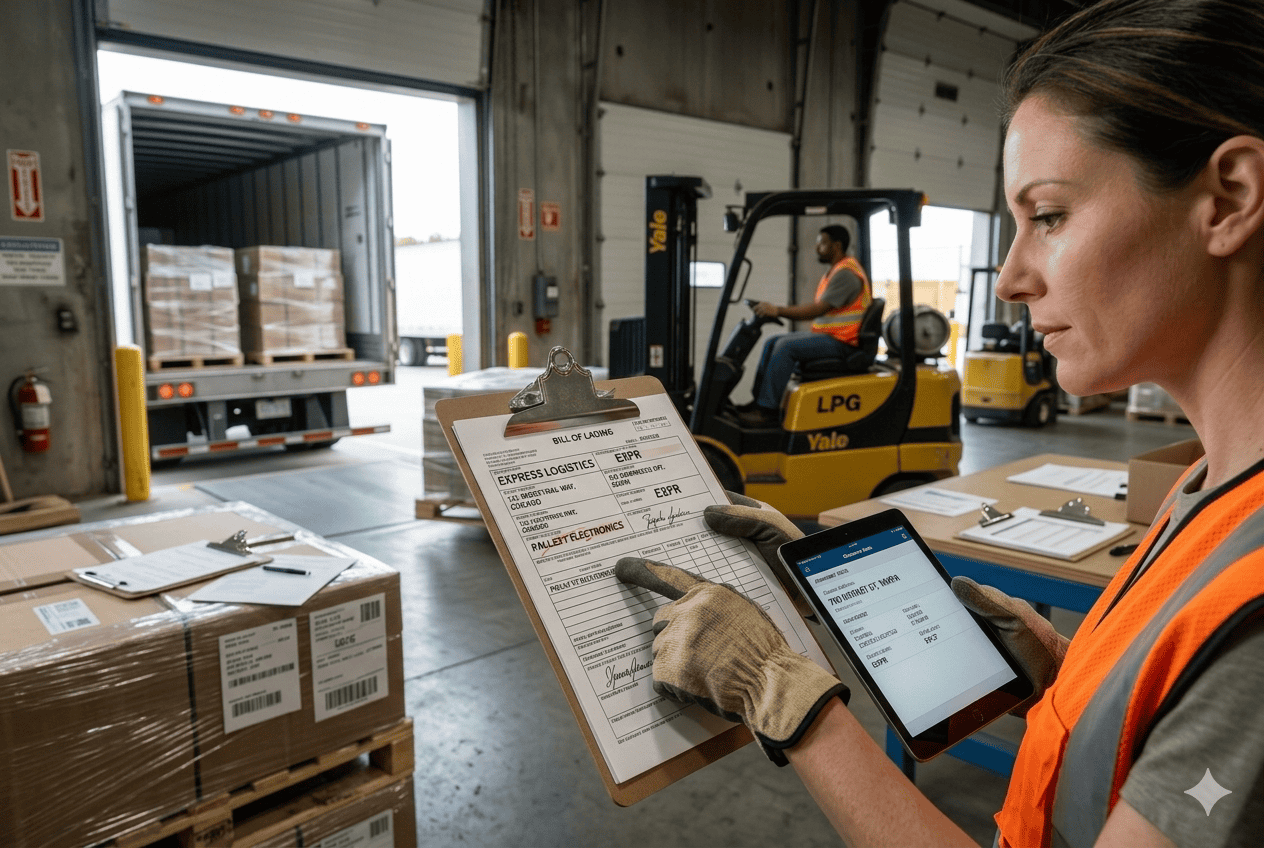
Fraud on the Bill of Lading (BOL) occurs when shipment documents are altered, forged, or misused to enable cargo theft, misrouting, or billing fraud.

Why the BOL Is a High-Value Target

The BOL is one of the most trusted documents in transportation—and in many cases, still paper-based. 

Because it authorizes custody, routing, and delivery, criminals target it to: 

  • Redirect freight; 
  • Impersonate carriers; 
  • Justify fraudulent billing; and 
  • Conceal unauthorized pickups. 

Real-World Scenario

A driver presents a BOL that matches the load number but lists a different delivery address. The discrepancy isn’t noticed until the shipment fails to arrive at its intended destination.

Common BOL Fraud Techniques 

  • Altering carrier or consignee names; 
  • Changing delivery locations mid-transit; 
  • Reusing legitimate BOLs for unauthorized shipments; and 
  • Forging signatures or reference numbers.  

Key Warning Signs 

  • Handwritten or last-minute changes; 
  • Mismatches between digital records and paper documents; 
  • Inconsistent formatting or signatures; and 
  • BOLs presented without supporting verification. 

Why BOL Fraud Is Increasing

As digital systems improve, criminals target hybrid gaps—where paper and digital workflows intersect. 
More from the Industry Glossary

  • Logistics dispatcher reviewing a suspicious email and text message requesting payment changes while managing freight shipments on a load board system, illustrating a social engineering freight fraud scam.

    Social Engineering In Trucking

    Quick Definition Social engineering is the manipulation of people—rather than systems—to gain unauthorized access to freight, data, or financial resources.  Social…

  • Freight dispatcher reviewing a suspicious load confirmation email on a computer screen showing carrier name impersonation, illustrating a cyber-enabled freight fraud scam in the trucking industry.

    Impersonation Scams

    Quick Definition Impersonation scams occur when fraudsters pose as trusted transportation partners to gain access to freight, data, or payments.  Impersonation is the foundation…

  • Warehouse loading dock with pallets of freight being loaded into a truck trailer at night, illustrating a potential cargo theft or freight fraud risk during shipment pickup.

    What is Pilferage?

    Quick Definition Pilferage is partial cargo theft—the unauthorized removal of goods from a shipment—most often occurring during transit, at cross-dock…