Quick Definition
Cargo theft is the physical theft of freight—but in today’s environment, it is increasingly enabled by digital compromise and fraud.
What Is Cargo Theft Today?
Cargo theft is no longer opportunistic or random. Modern cargo theft is targeted, informed, and planned.
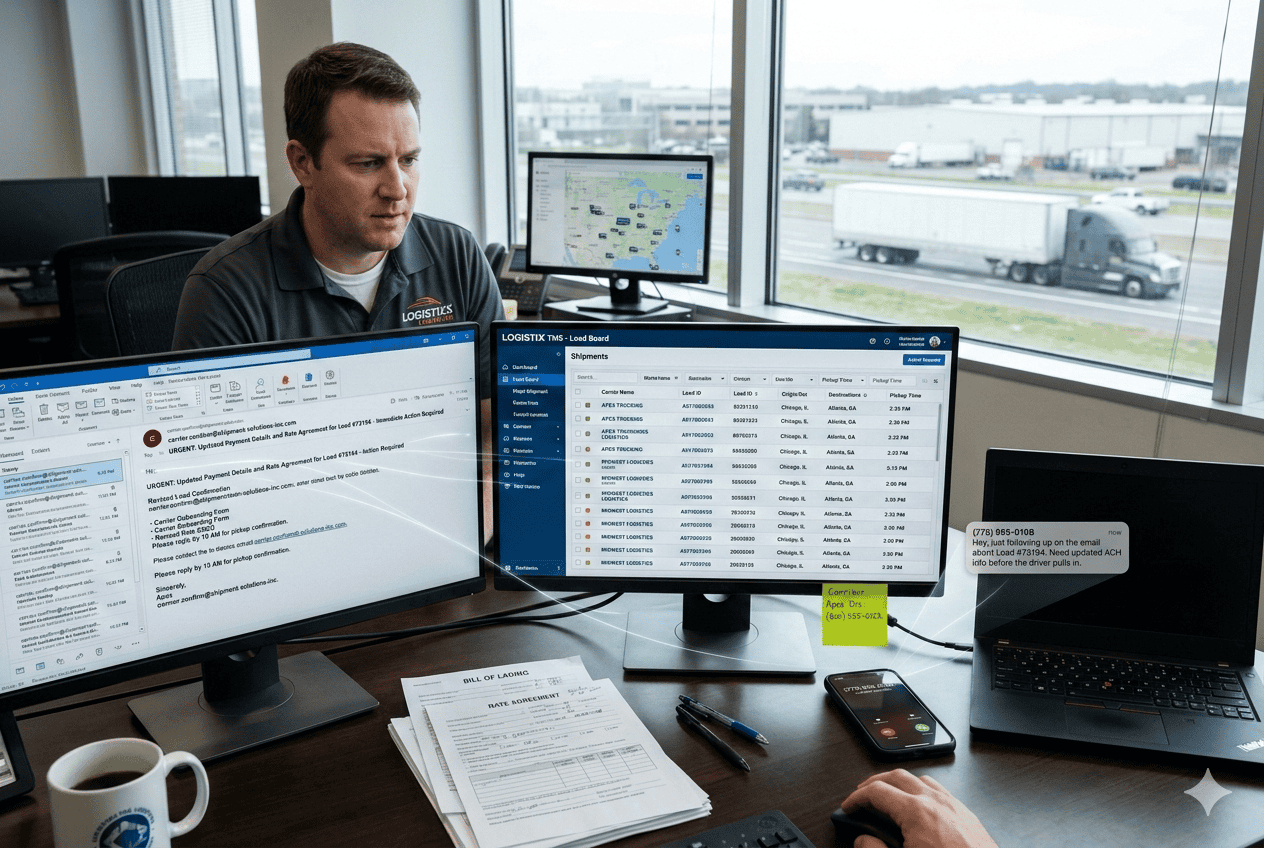
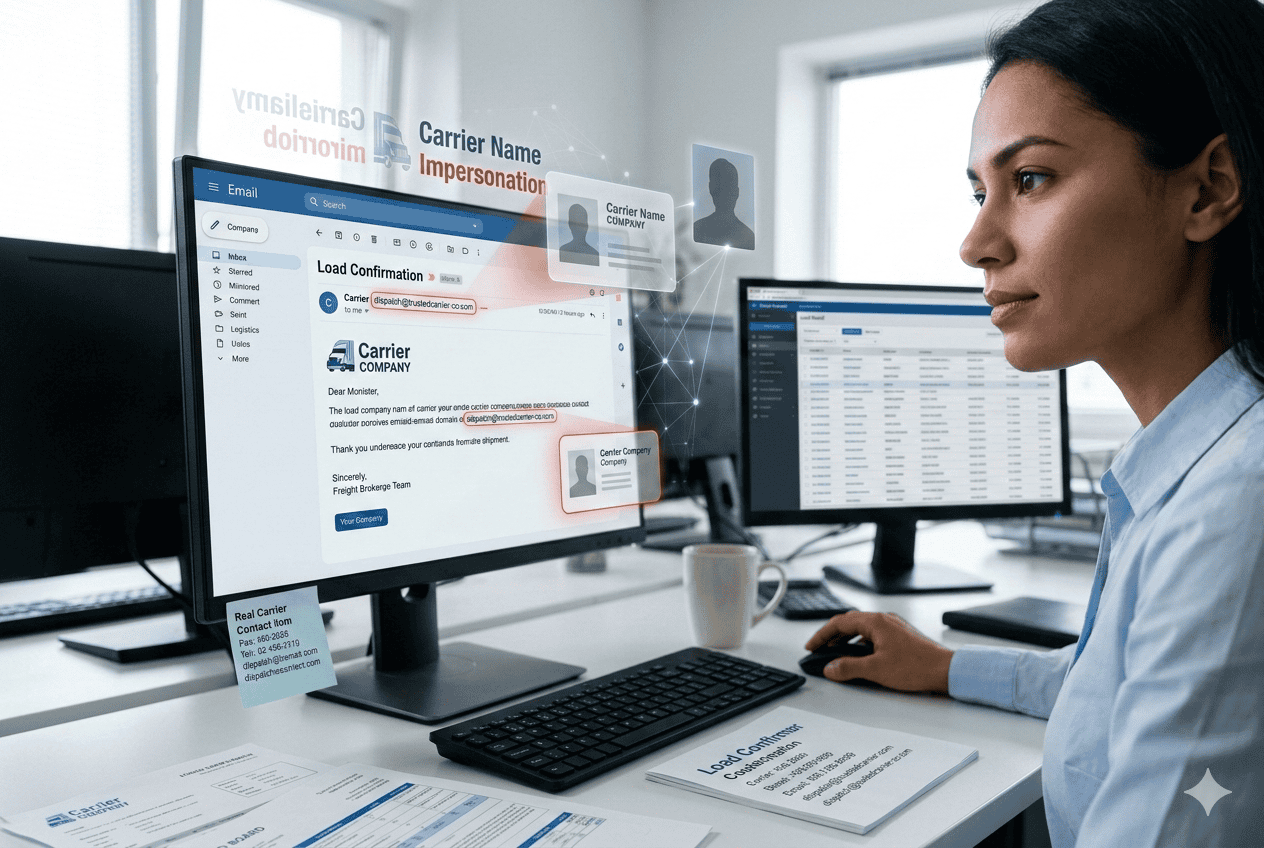
Criminals use digital tools to identify high-value loads, track routes, impersonate trusted parties, and time thefts with precision. The physical act of stealing freight is often the final step in a longer fraud chain.
Real-World Scenario
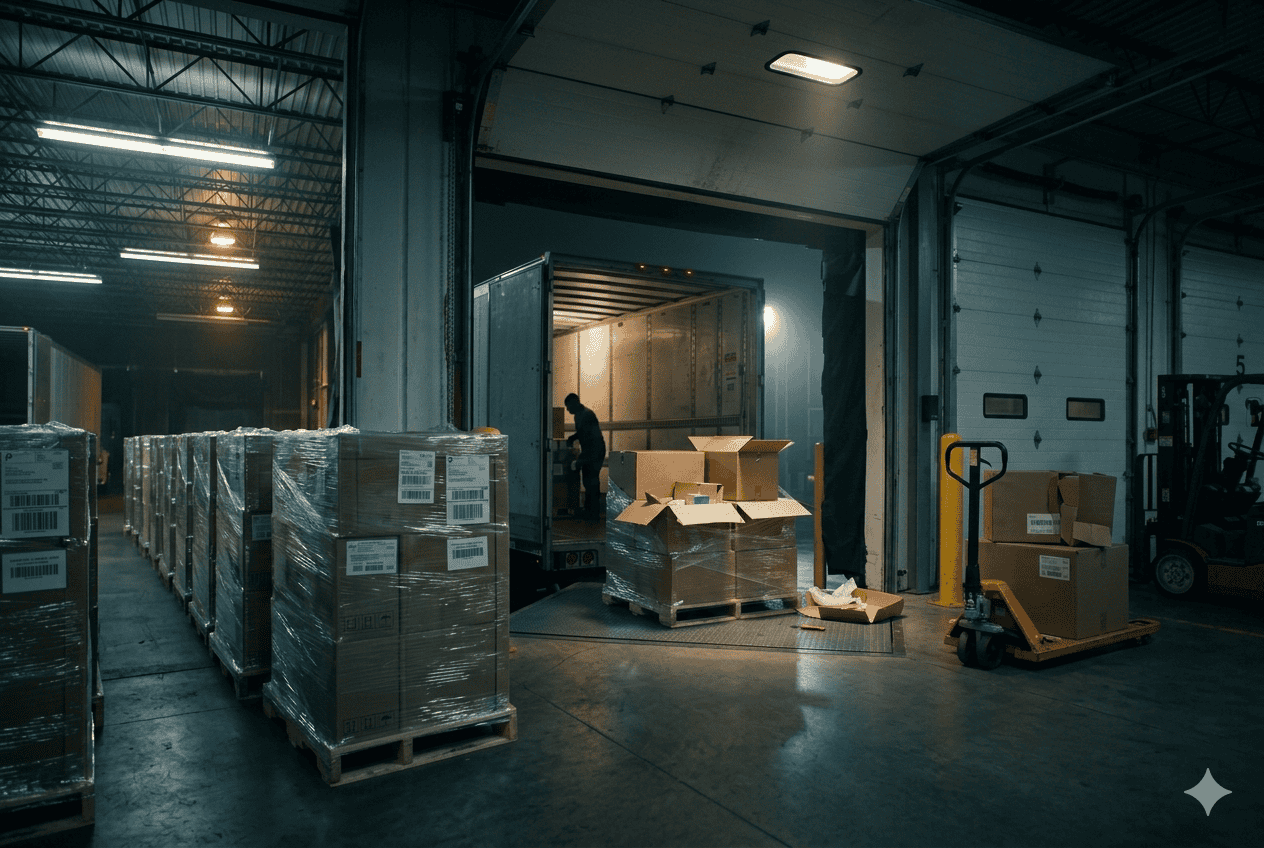
A criminal group gains access to a shipper’s routing information through a compromised email account. They monitor a high-value shipment and execute a theft at a planned stop, using insider knowledge to avoid detection.
How Digital Fraud Enables Physical Theft
Cargo theft frequently relies on:
- Leaked or compromised shipment data;
- Impersonated dispatchers or carriers;
- Altered routing or delivery instructions; and
- Manipulated documents or credentials.
Without digital access, many thefts would never occur.
Common Red Flags
- Unauthorized route deviations;
- Unexpected delays or communication loss;
- Mismatches between planned and actual delivery data; and
- Repeated thefts along similar routes or facilities.
Why Cargo Theft Is Harder to Prevent Than Before
Traditional defenses—locks, fences, guards—don’t address the digital intelligence driving modern theft. Prevention now requires visibility into who has access to shipment information and why.

How NMFTA Helps
By promoting verified carrier identity and shared standards, NMFTA helps facilities confirm who they are releasing freight to—before the doors open.